

Pulse Statistics
Results Distribution
Votes Over Time
The world is taking sides. Your nation's pulse is missing.
Global pulses are showing up strong. Don't let your nation's identity disappear. Every beat shapes the global consensus.

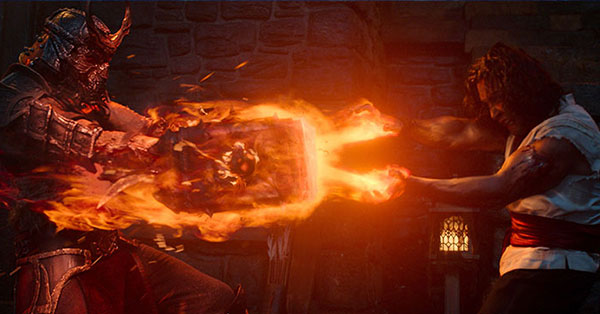
The Mortal Kombat II post-credits scene is a colossal waste of time that only fans who are blind to quality will enjoy.
Global Consensus
What happened?
Mortal Kombat II's post-credit scene is another uninspired nod to fan service. It’s just more content for those who want any reason to keep buying into the series despite diminishing returns on gameplay and story quality. The real people this hits are newcomers, as it sets a false expectation that there's something worth sticking around for after you've finished playing.
Some might argue that post-credit scenes add value by providing additional lore or setting up future installments in the franchise’s narrative arc. However, when these elements fail to deliver on their promise and merely recycle old ideas without innovation, they become pointless filler rather than meaningful content.
The risk here is alienating new players who may feel misled into expecting more from a game that ends abruptly with nothing substantial after the credits roll.
Mortal Kombat II’s trend towards fan service will likely continue as developers chase a dwindling base of loyalists rather than attract new blood. The next game in this series might see even more desperate attempts to keep the hype alive, further eroding its credibility and appeal among casual gamers who want fresh content.
The tribal divide is clear: hardcore fans will eat up anything with a Mortal Kombat logo attached, while everyone else sees it as another lazy attempt at extending shelf life. The real question isn’t whether the post-credit scene exists but why anyone cares enough to watch one more second after they’ve paid for the game.
Pulse Insight
AI Insight is generated based on real-time global trends and contextual data analysis.
Hidden Trade-off
Every time developers include post-credits scenes, they trade player satisfaction for an illusion of depth. This short-term gain in engagement metrics comes at the cost of long-term credibility and genuine enjoyment from those who matter—real gamers looking for quality over quantity.