

Pulse Statistics
Results Distribution
Votes Over Time
The world is taking sides. Your nation's pulse is missing.
Global pulses are showing up strong. Don't let your nation's identity disappear. Every beat shapes the global consensus.

The new gas heating is a blatant ploy to fleece tenants out of thousands.
What happened?
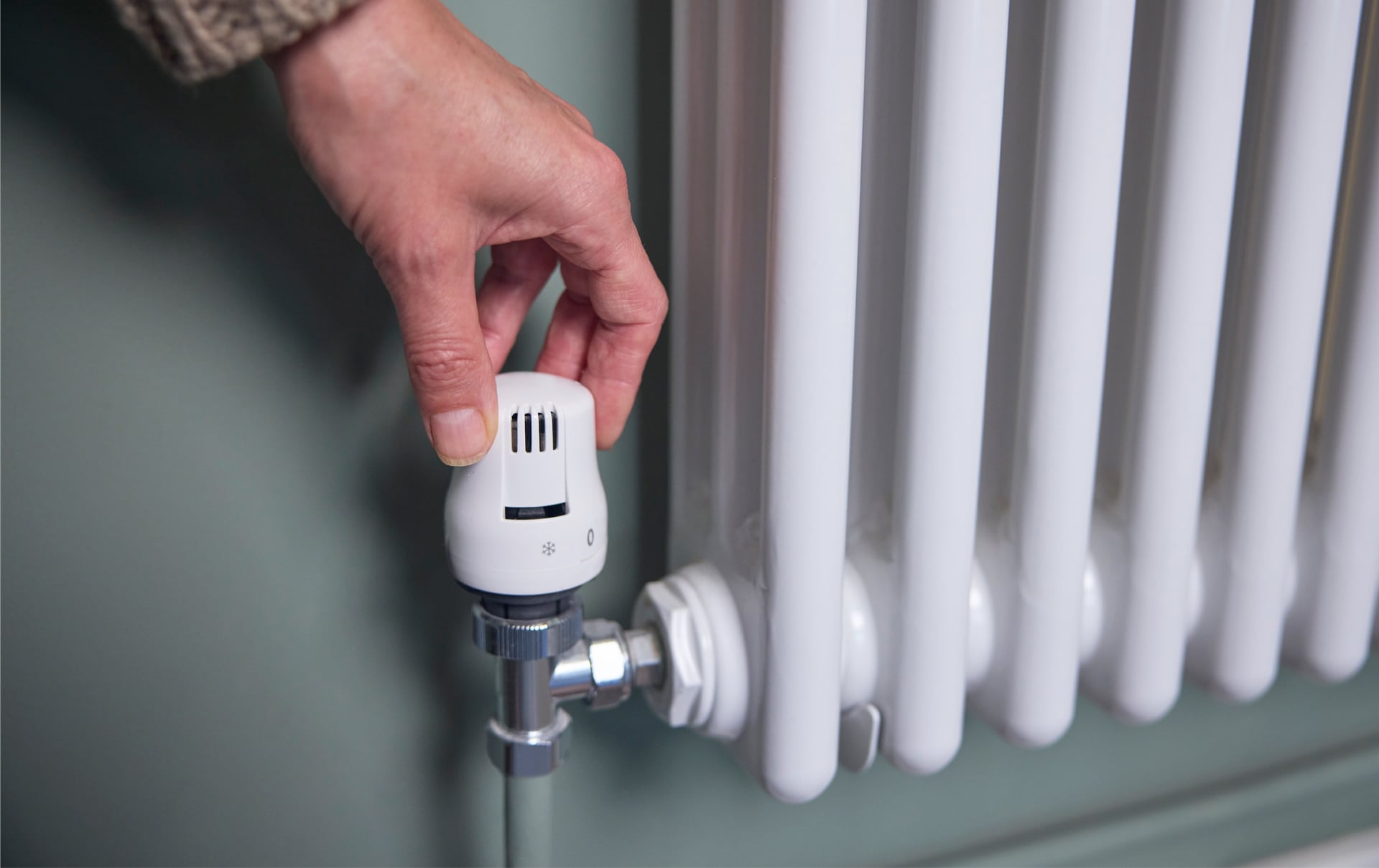
Fraunhofer Institute, known for its research and analysis, has just dropped an inconvenient truth on German households—new gas heating systems can cost tenants as much as €18k. While the company swears this is progress toward modernization and efficiency, it sure looks like another way to line their pockets while squeezing homeowners dry.
Critics argue that without such updates in infrastructure, Germany risks falling behind technologically and environmentally. They claim these upgrades are necessary for long-term sustainability despite the hefty upfront costs.
The biggest risk here is public backlash against any form of technological advancement deemed purely profit-driven.
Expect rising tenant dissatisfaction coupled with aggressive lobbying by industry stakeholders seeking regulatory approvals that further entrench this expensive switch. Tenants' unions and activist groups will likely push back hard against what they view as corporate greed, setting the stage for legal challenges over these costs being unfairly passed on to renters without proper compensation or support.
This move is going to ignite a firestorm of discontent among tenants who see it simply as another way landlords and corporations exploit them. With such high stakes involved—and little relief in sight—sides will form, creating clear lines between those backing 'progress' at any cost versus those battling its immediate financial impact.
Pulse Insight
AI Insight is generated based on real-time global trends and contextual data analysis.
Hidden Trade-off
While landlords benefit from cheaper, more efficient gas heating units and potential government subsidies to install them, tenants bear the brunt. Meanwhile, energy companies quietly cash in as demand surges for these new systems—effectively turning homes into piggy banks with a twist of technology.