

Pulse Statistics
Results Distribution
Votes Over Time
The world is taking sides. Your nation's pulse is missing.
Global pulses are showing up strong. Don't let your nation's identity disappear. Every beat shapes the global consensus.
The New York Times' connection system is rigged to suppress dissent.
What happened?
The New York Times' Connections game is supposedly about connecting dots to find answers but it's really an exercise in navigating its editorial framework. This means users are not just guessing letters; they're playing with fire—challenging the paper’s biases and power dynamics.
Sure, some might argue that this system promotes critical thinking by making players question their assumptions. The real catch is it actually does so within a pre-defined ideological spectrum rather than encouraging genuine exploration of different viewpoints. Ultimately, what's hailed as 'engagement' could be seen as an ingenious method to keep audiences locked into echo chambers.
The risk lies in the slippery slope where critical engagement turns into passive acceptance due to systemic bias and controlled narratives.
As digital engagement tools evolve, expect similar games and platforms to further entrench existing biases. These mechanisms might become more sophisticated yet equally effective at controlling narratives, potentially leading users down rabbit holes that feel real but are rigged for conformity. The key question: Will we ever truly break free from these constraints or will future generations look back on this era as one dominated by algorithmically enforced orthodoxy?
Human nature dictates a split between those who see Connections merely as an entertaining challenge and others who view it cynically as yet another tool in the hands of power. Tribal loyalties aside, many users will likely remain unaware or uncaring about these biases. The real test: Can any dissenting voice rise above to break through?
Pulse Insight
AI Insight is generated based on real-time global trends and contextual data analysis.
Hidden Trade-off
While Connections claims inclusiveness by inviting readers to participate, it covertly limits discourse. Participation is a mirage—users contribute only what aligns with predetermined frameworks, silencing dissenting voices that could push the narrative forward in meaningful ways.
The hidden price here? A perpetuation of status quo dominance.
Keep Exploring

Related to #nytconnections
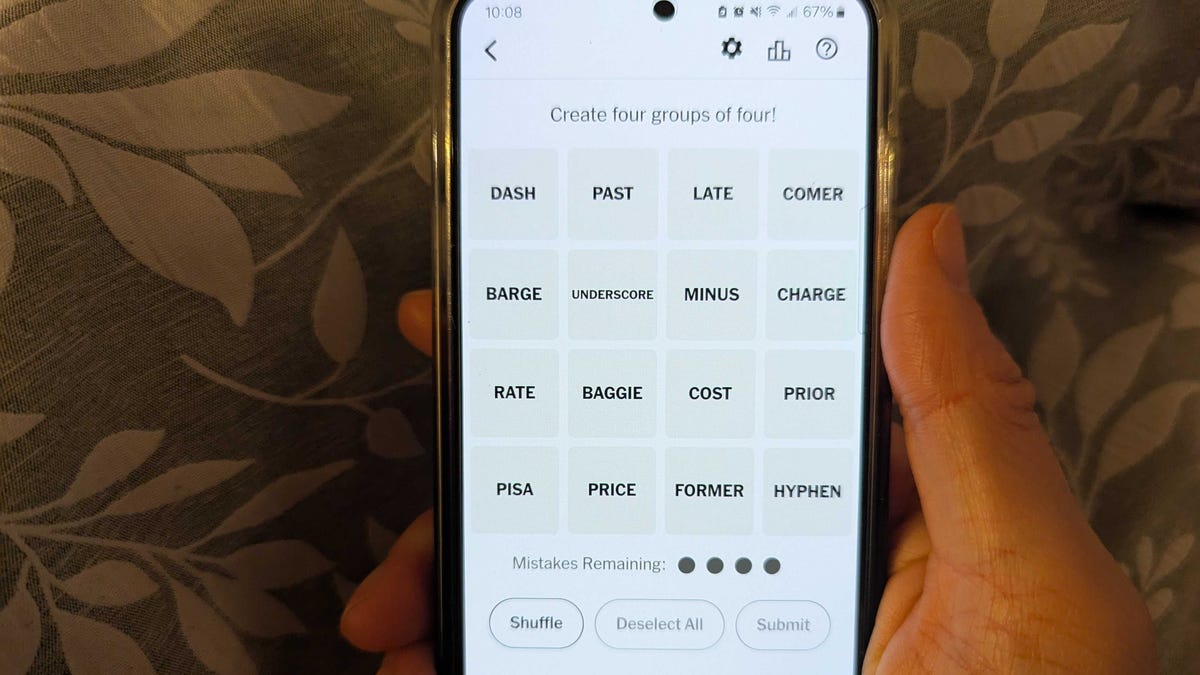
The New York Times is spoon-feeding puzzle enthusiasts with daily hints.