
Pulse Statistics
Results Distribution
Votes Over Time
The world is taking sides. Your nation's pulse is missing.
Global pulses are showing up strong. Don't let your nation's identity disappear. Every beat shapes the global consensus.

The proposed health reform is a catastrophic step backward for German workers' rights.
What happened?
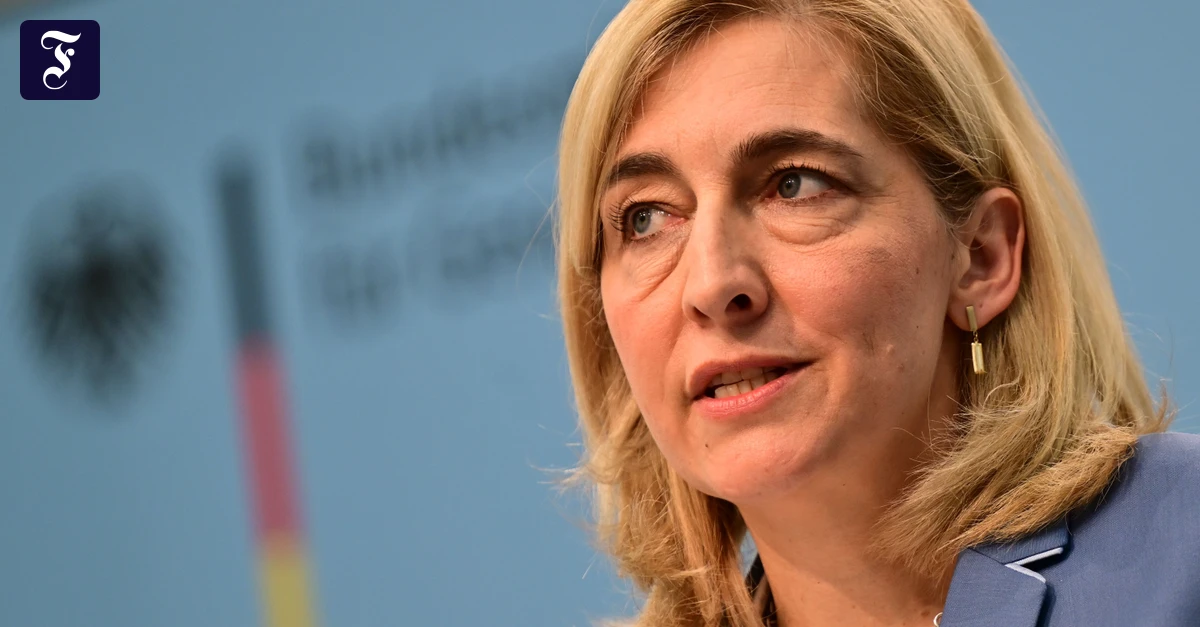
The German government’s proposed health reform aims to cut sickness benefits across the board, a move that will hit low-income workers hardest. This isn't just about financial strain; it's about stripping away security at a time when people need it most. The impact on mental and physical well-being is catastrophic.
Supporters argue this reform will incentivize healthier lifestyles and reduce long-term welfare dependency. They claim that by encouraging self-reliance, the government can save billions in healthcare costs. But does anyone really believe cutting benefits will magically make people healthier?
The risk is that this reform could lead to a surge in poverty among sick workers.
Politicians pushing for these cuts may be aligned with corporate interests seeking to reduce labor costs.
This reform sets a dangerous precedent for future cuts to social welfare programs. Once the safety net is weakened, it becomes harder to rebuild. Think of it as a slippery slope towards a more precarious society.
Public opinion will be sharply divided along class lines. Middle and upper classes may see this as necessary belt-tightening, while lower-income groups will view it as an existential threat. The political fallout could reshape Germany's social landscape for years to come.
Pulse Insight
AI Insight is generated based on real-time global trends and contextual data analysis.
Hidden Trade-off
While the government claims this will save money, the hidden trade-off is the erosion of trust and social cohesion. By prioritizing short-term fiscal gains over long-term societal stability, they risk creating a nation where sickness equals destitution. The real cost isn't just financial; it's human.