
Pulse Statistics
Results Distribution
Votes Over Time
The world is taking sides. Your nation's pulse is missing.
Global pulses are showing up strong. Don't let your nation's identity disappear. Every beat shapes the global consensus.

The red-green coalition will collapse under the weight of its internal strife.
What happened?
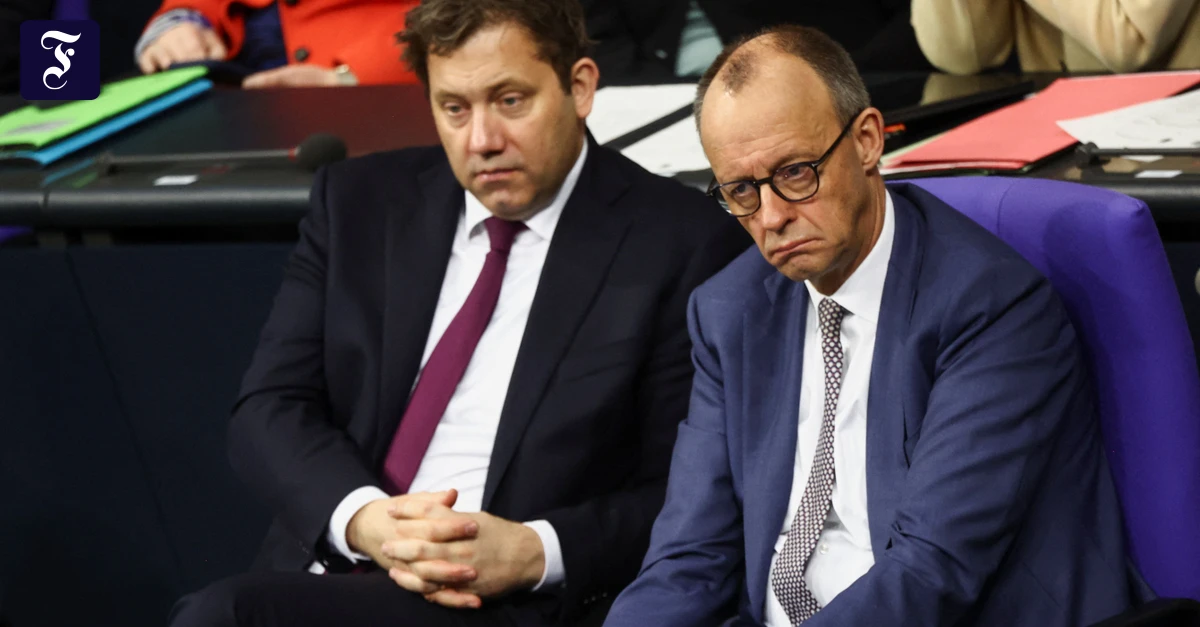
The latest clash between SPD's Lars Klingbeil and CDU's Friedrich Merz highlights deep-seated animosity within Germany’s ruling coalition. Their public disagreement over economic policy is symptomatic of broader disagreements on social issues, immigration, and foreign affairs. The coalition's survival hinges on its ability to paper over these cracks, but the reality is that their differences are too fundamental.
Some argue that despite surface-level tensions, the red-green coalition has a vested interest in maintaining stability. They point out successful collaborations in the past and suggest that pragmatic politics will prevail over ideological conflicts.
The risk lies in underestimating the impact of public discord on voter confidence.
Political parties may downplay internal strife to maintain public support.
As internal strife intensifies, expect more dramatic political realignments. The coalition’s collapse could pave the way for new alliances or even a shift towards a stronger opposition presence in parliament.
Human tribalism will likely divide along party lines, with staunch supporters rallying behind their leaders while critics seize on every misstep to call for change. This polarization will make any compromise increasingly difficult and may lead to early elections.
Pulse Insight
AI Insight is generated based on real-time global trends and contextual data analysis.
Hidden Trade-off
While the coalition benefits from short-term stability, the long-term cost is a loss of credibility and trust among voters. Each public spat erodes the coalition's legitimacy, making it harder for them to implement necessary reforms without facing backlash.
Keep Exploring

Related Pulses