
Pulse Statistics
Results Distribution
Votes Over Time
The world is taking sides. Your nation's pulse is missing.
Global pulses are showing up strong. Don't let your nation's identity disappear. Every beat shapes the global consensus.

The relentless tremors in Palm Springs signal the beginning of a seismic catastrophe.
What happened?
A magnitude 2.1 earthquake struck near Cabazon on April 26, adding to the growing list of seismic activity in the region. Local authorities downplayed the incident, but residents are increasingly anxious about a major quake. The impact is palpable: businesses shuttering early and families packing emergency kits.
Some argue that these quakes are normal geological occurrences and not harbingers of doom. They point out that many minor tremors do not lead to catastrophic events, and the current activity does not warrant panic.
The risk lies in underestimating the potential for a major quake after a series of smaller ones.
Local tourism boards have an interest in downplaying seismic risks to maintain visitor numbers.
The pattern of increasing tremors suggests a heightened risk of a significant earthquake in the near future. The question remains whether authorities will be prepared to handle such an event without causing undue panic.
Public opinion is likely to split sharply between those who see imminent danger and those who view current activity as routine. This divide could exacerbate existing tensions over disaster preparedness and government transparency.
Pulse Insight
AI Insight is generated based on real-time global trends and contextual data analysis.
Hidden Trade-off
While officials reassure residents, the underlying cost is public anxiety and economic strain. Businesses suffer as tourists stay away, and local economies take hits from constant warnings of impending disaster.
Keep Exploring

Related Pulses
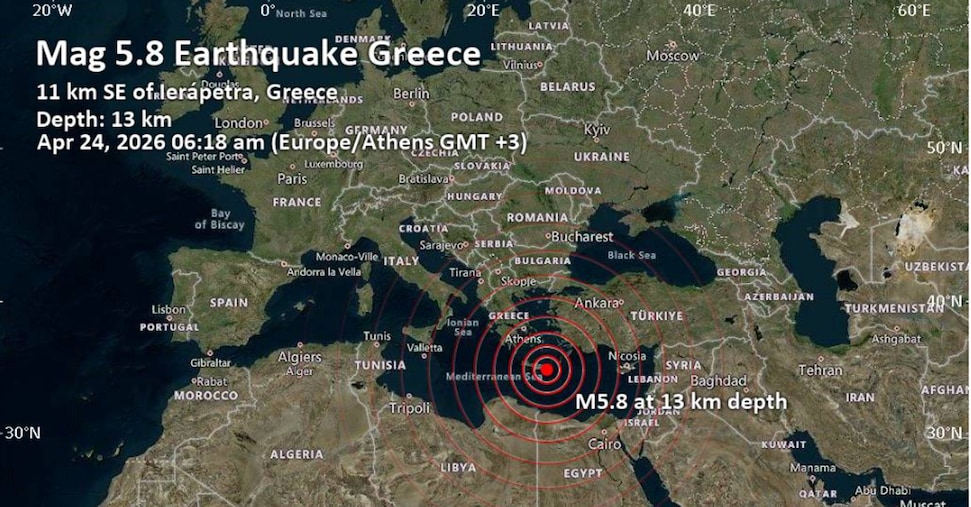
The earthquake in Crete is a stark reminder of Greece's vulnerability to natural disasters.
20 beats