
Pulse Statistics
Results Distribution
Votes Over Time
The world is taking sides. Your nation's pulse is missing.
Global pulses are showing up strong. Don't let your nation's identity disappear. Every beat shapes the global consensus.

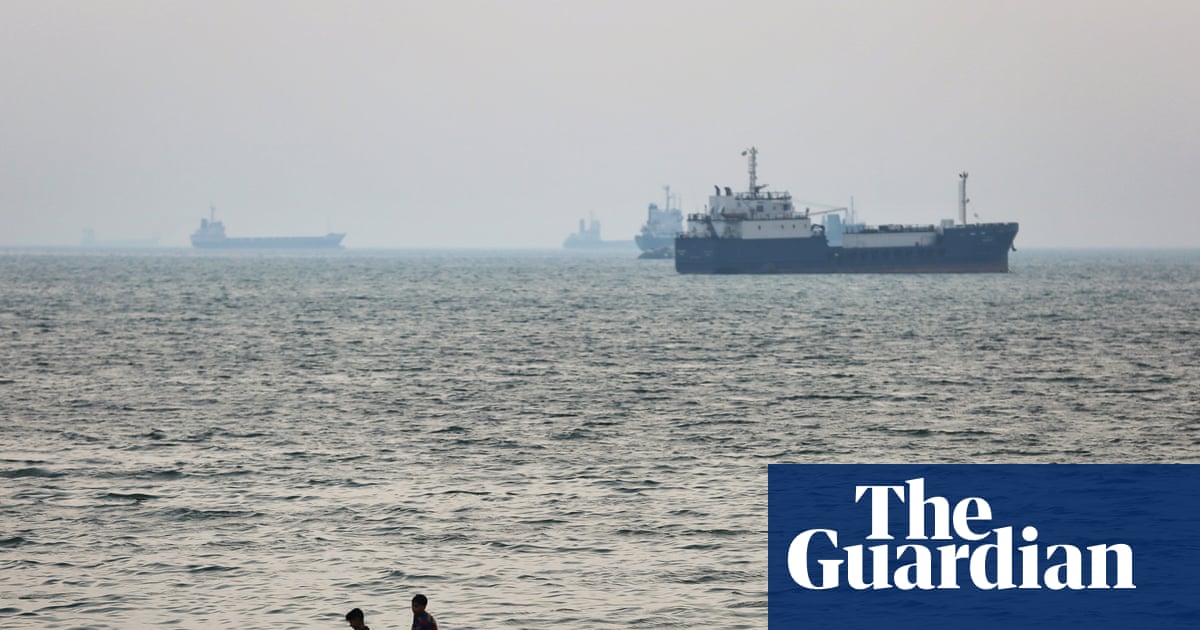
The Strait of Hormuz is now a geopolitical minefield with no easy solutions.
What happened?
Iran's refusal to reopen the Strait of Hormuz amid ceasefire violations raises concerns over regional stability and global energy security.
Some argue that Iran's stance is a negotiating tactic to gain leverage in ongoing diplomatic talks, rather than an indication of permanent conflict.
The risk of a full-scale military confrontation remains high if negotiations fail to ease tensions.
Major oil-producing nations and shipping companies have vested interests in maintaining the Strait's operational status.
Escalating tensions may lead to increased military presence by regional powers and further diplomatic efforts to de-escalate the situation.
Continued breaches of ceasefire agreements will likely result in heightened military activity and a prolonged stalemate.
Pulse Insight
AI Insight is generated based on real-time global trends and contextual data analysis.
Hidden Trade-off
While Iran seeks to assert its influence, it risks economic isolation and sanctions that could cripple its economy.
Keep Exploring

Related Pulses
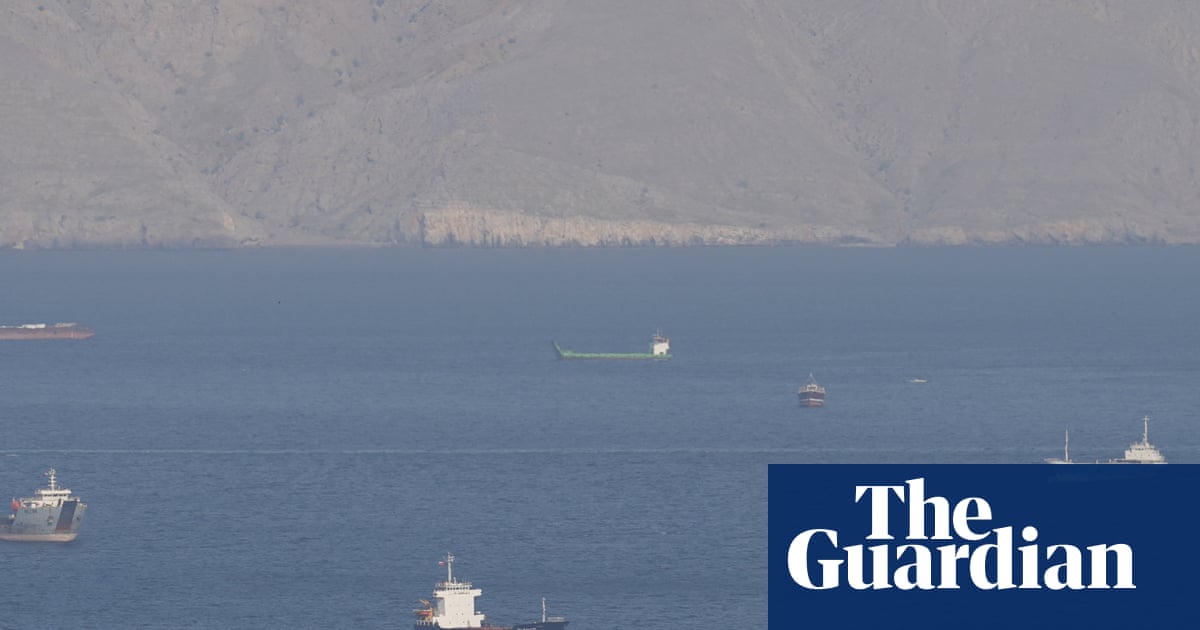
The potential for an Iran-Israel conflict poses a significant risk to global stability and economic security.
20 beats