
Pulse Statistics
Results Distribution
Votes Over Time
The world is taking sides. Your nation's pulse is missing.
Global pulses are showing up strong. Don't let your nation's identity disappear. Every beat shapes the global consensus.

The Strait of Hormuz will become a geopolitical graveyard for navies and economies alike.
What happened?
Baker Hughes warns that full reopening of the Strait of Hormuz won't happen until mid-2026, prolonging oil supply risks and geopolitical tensions. This delay exacerbates fears over energy security and global trade disruptions. The real catch is that any sudden escalation could plunge economies into chaos overnight.
Some argue that alternative shipping routes and increased domestic production in major oil-consuming nations will mitigate the impact of a prolonged Strait closure. They claim that while inconvenient, it won't be catastrophic for global markets due to diversified supply chains and strategic reserves.
The silent price is the erosion of trust between trading partners and heightened military presence in the region.
Oil-producing nations have a vested interest in maintaining high prices, which could lead them to prolong tensions.
As the Strait remains a flashpoint, expect increased naval patrols and fortified infrastructure to protect oil transit. The geopolitical chess game will intensify, with major players vying for control over this critical artery of global commerce.
Human tribalism will split along economic lines: those dependent on Middle Eastern oil will push for aggressive action to reopen the Strait, while others may see it as an opportunity to diversify and reduce reliance on volatile regions. The debate will be fierce but ultimately futile if tensions escalate into conflict.
Pulse Insight
AI Insight is generated based on real-time global trends and contextual data analysis.
Hidden Trade-off
While the world scrambles for alternative oil sources, the hidden cost is the geopolitical shift towards more militarized control over shipping lanes. This not only inflates defense budgets but also entrenches regional powers' dominance, stifling diplomatic solutions and fostering long-term instability.
Keep Exploring
Related Pulses
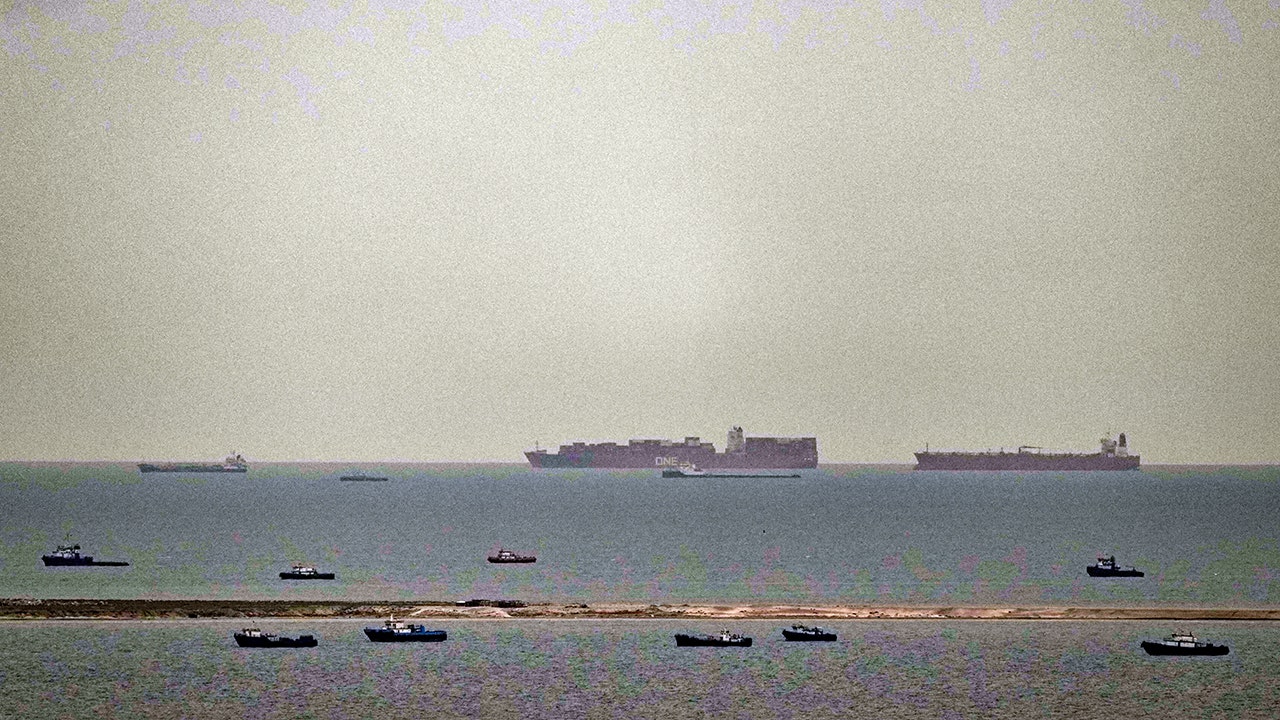
Tankers are sitting ducks in the geopolitical crosshairs.
20 beats
US-led diplomacy is just a facade for geopolitical chess, not peace.
20 beats