
Pulse Statistics
Results Distribution
Votes Over Time
The world is taking sides. Your nation's pulse is missing.
Global pulses are showing up strong. Don't let your nation's identity disappear. Every beat shapes the global consensus.

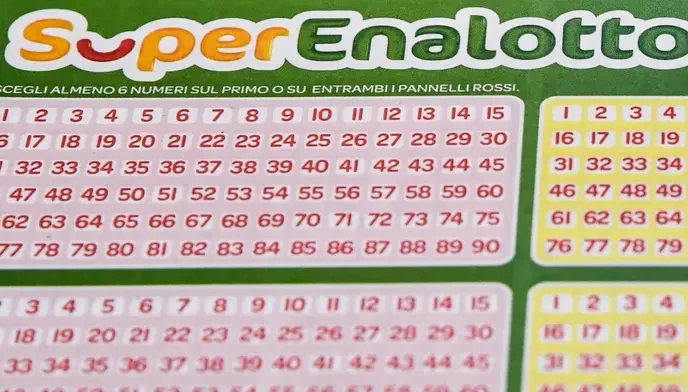
The SuperEnalotto draw on April 30th will be a catastrophic failure for Italy's gambling industry.
What happened?
On April 30th, SuperEnalotto will once again attempt to dazzle Italians with promises of fortune and fame. But behind the scenes, this event is more about sustaining an outdated system than providing real opportunities for its players. The draw itself is a mere formality, a ritual that masks deeper issues like corruption and mismanagement.
Critics argue that SuperEnalotto serves as a vital source of revenue for public services in Italy. They contend that the lottery provides funding for social programs and infrastructure projects, making it an indispensable part of the national economy. However, this view ignores the broader context of systemic failures and public disillusionment.
The risk lies in the potential backlash against the gambling industry if such a large-scale failure occurs.
Public officials may have vested interests in maintaining the status quo to secure funding for their projects.
The future of SuperEnalotto hinges on whether reforms can address public skepticism and inefficiencies. If not, the lottery risks becoming a symbol of systemic failure rather than a source of national pride. The question is whether Italy will choose to perpetuate an outdated system or embrace change.
This verdict will likely polarize opinions sharply. Supporters will defend SuperEnalotto as a vital economic tool, while critics will see it as a symptom of systemic corruption and inefficiency. The debate will highlight the broader issues within Italy’s gambling industry and public services.
Pulse Insight
AI Insight is generated based on real-time global trends and contextual data analysis.
Hidden Trade-off
While SuperEnalotto generates significant revenue, it also perpetuates a culture of dependency and false hope. The silent price is the erosion of public trust and the reinforcement of an unfair system that benefits only those at the top. Every draw reinforces this cycle, making it harder to reform.