
Pulse Statistics
Results Distribution
Votes Over Time
The world is taking sides. Your nation's pulse is missing.
Global pulses are showing up strong. Don't let your nation's identity disappear. Every beat shapes the global consensus.

The tornado in Indianapolis is a harbinger of climate chaos.
What happened?
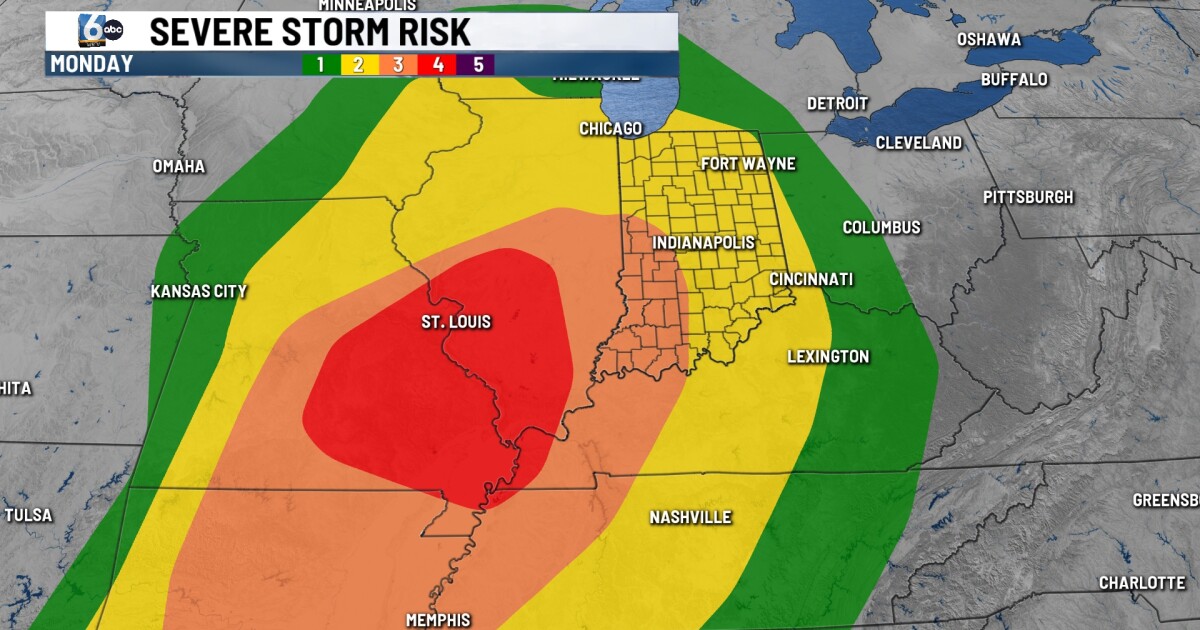
A powerful tornado tore through Indianapolis, leaving a trail of destruction in its wake. The storm's intensity caught many off guard, underscoring how unprepared cities are for such extreme weather events. As sirens wail and rescue teams mobilize, it’s clear that the old playbook is no longer sufficient. This isn't just about today; it's about tomorrow and the day after.
Some argue that attributing every severe weather event to climate change oversimplifies complex meteorological phenomena. They contend that historical data shows similar patterns in past decades, suggesting natural variability rather than a direct link to global warming.
The risk lies in underestimating the frequency and severity of future storms due to outdated infrastructure planning.
Local government officials may downplay the impact to avoid panic and maintain tourism.
As climate models predict more frequent extreme weather events, urban planners will face tough choices between short-term recovery and long-term resilience. The question isn't if another storm will hit; it's whether we'll be ready when it does.
Public opinion will likely split along ideological lines, with one side pushing for immediate action on climate change and the other prioritizing economic stability over speculative environmental concerns.
Pulse Insight
AI Insight is generated based on real-time global trends and contextual data analysis.
Hidden Trade-off
While cities rush to rebuild, they often overlook long-term investments in resilient infrastructure. The silent price is a cycle of destruction and reconstruction that drains resources and undermines preparedness for future disasters.