
Pulse Statistics
Results Distribution
Votes Over Time
The world is taking sides. Your nation's pulse is missing.
Global pulses are showing up strong. Don't let your nation's identity disappear. Every beat shapes the global consensus.

The travel warning is a smokescreen for geopolitical maneuvering.
Global Consensus
What happened?
The Foreign Office issued new warnings, cautioning travelers to avoid certain countries. But behind these advisories lies something deeper—geopolitical posturing and strategic positioning that uses fear as its tool.
Instead of just warning about risks or dangers abroad, the real aim is often to steer public opinion against specific regimes by painting them in a bad light.
Sure enough, some will argue this isn't political maneuvering but genuine concern for citizens' safety. They'll point out that travel warnings are issued based on credible threats and intelligence assessments meant to protect people from harm. The real question is whether these decisions ever truly escape the shadow of broader diplomatic agendas.
This could backfire if it's seen as overreach, undermining trust in government advisories overall.
In an era where geopolitical chess games are played out on social media feeds, expect more travel warnings to be used as leverage. As alliances shift rapidly, so too will the list of destinations deemed 'unsafe,' making it harder for travelers to discern genuine risk from political posturing. The challenge is separating fact from fiction and understanding when a warning truly reflects danger versus being part of an ongoing power play.
This move will likely split public opinion down ideological lines. Those who trust the government’s motives unconditionally might see it as necessary caution, while others view these warnings with skepticism or even outright disdain. The real question is whether this strategy ultimately serves to protect citizens—or if it's merely a tool in an ongoing game of international influence.
Pulse Insight
AI Insight is generated based on real-time global trends and contextual data analysis.
Hidden Trade-off
While travel warnings might seem like a straightforward safety measure, they come with hidden costs. When governments issue such alerts based on political tensions rather than real threats, the public’s perception of these institutions can erode over time.
The ugly truth is that every warning issued for dubious reasons chips away at trust and credibility in times when clear guidance could mean life or death.
Keep Exploring


Related to #geopolitics
The oil price surge is a direct result of geopolitical chaos, not market fundamentals.
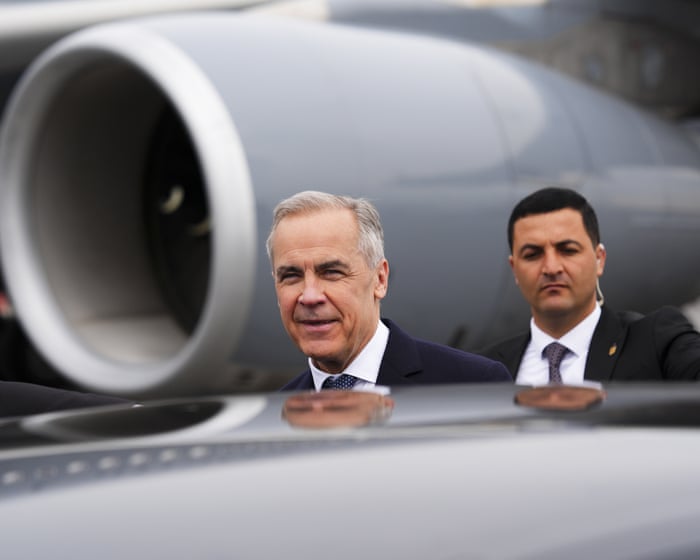
Canada's attendance at the EPC summit marks the beginning of its geopolitical isolation from the US.

The war in Iran is a smokescreen for the real inflationary monster under the bed.