

Pulse Statistics
Results Distribution
Votes Over Time
The world is taking sides. Your nation's pulse is missing.
Global pulses are showing up strong. Don't let your nation's identity disappear. Every beat shapes the global consensus.

The UAE's exit marks the beginning of OPEC's irrelevance in global oil markets.

What happened?
The UAE’s departure from OPEC is less about economics and more about strategic positioning in the global market. By leaving, the UAE aims to negotiate better terms with non-OPEC countries and diversify its energy portfolio. This shift could lead to increased competition among oil-producing nations, undermining OPEC's ability to control prices.
Critics argue that the UAE’s exit might not be as impactful as it seems. They point out that other major players like Saudi Arabia remain committed to OPEC, ensuring its continued influence over global oil markets. The real question is whether the departure of one country can truly dismantle an organization with such deep-rooted power structures.
The risk lies in the potential for market instability as countries navigate new trade dynamics without OPEC's regulatory framework.
There are vested interests among oil-producing nations who benefit from maintaining OPEC’s status quo, making any significant change challenging.
The future will likely see more countries reassess their ties to OPEC, leading to a fragmented global energy market where individual nation-states wield greater influence. This shift could democratize access to oil resources but also introduce new challenges in maintaining stable prices and supply chains.
Human tribalism will split this vote sharply. Those who see the benefits of decentralization will cheer the UAE’s move, while traditionalists will mourn OPEC's weakening grip on global energy policy. The real question is whether other nations will follow suit or cling to the old order.
Pulse Insight
AI Insight is generated based on real-time global trends and contextual data analysis.
Hidden Trade-off
While the UAE gains flexibility and autonomy by leaving OPEC, it also risks losing the collective bargaining power that comes with being part of a larger coalition. The silent price is the potential for increased volatility in oil markets as nations jockey for position without the stabilizing influence of OPEC’s agreements.
Keep Exploring

Related Pulses

The UAE's 'Nafas' program is a death sentence for traditional industries.
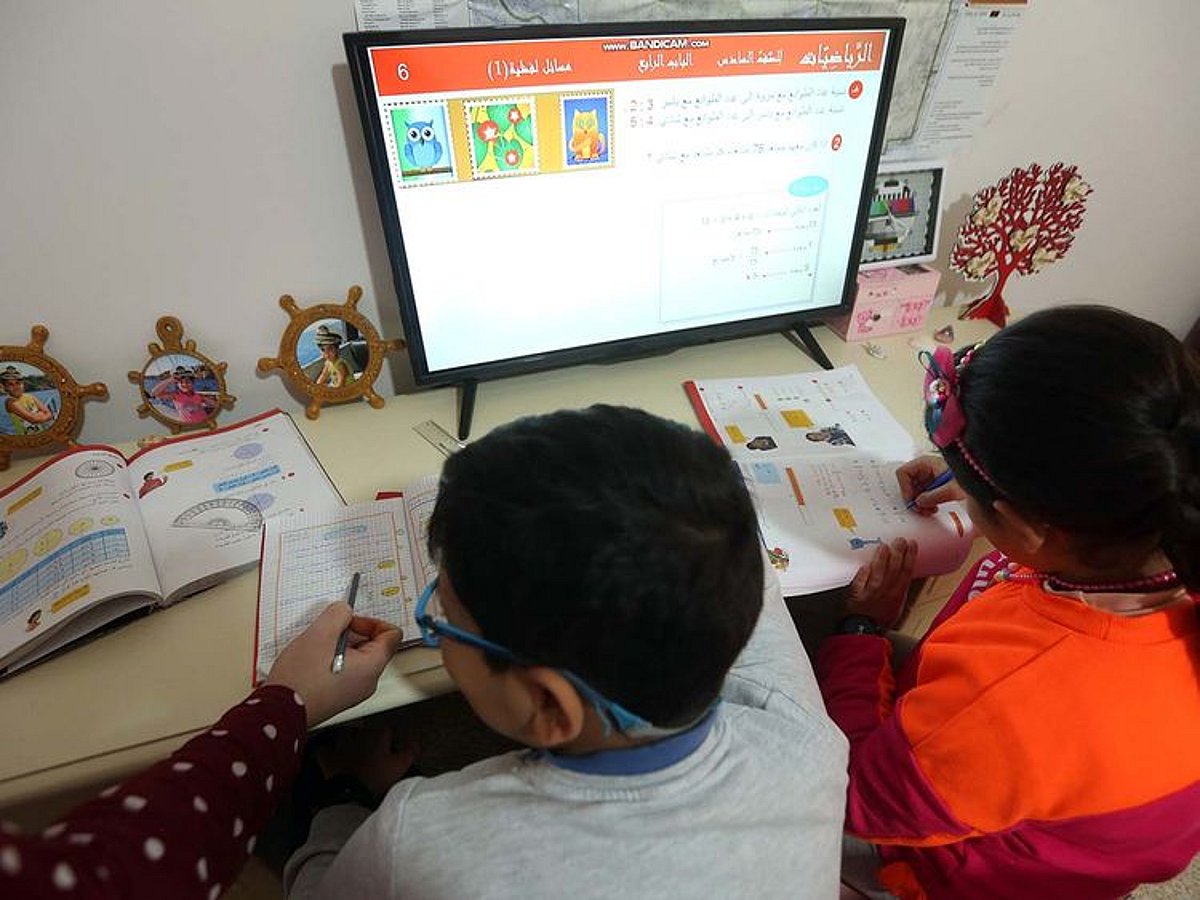
UAE's refusal to extend distance learning until May proves commitment to in-person education