

Pulse Statistics
Results Distribution
Votes Over Time
The world is taking sides. Your nation's pulse is missing.
Global pulses are showing up strong. Don't let your nation's identity disappear. Every beat shapes the global consensus.

The UK government's call for increased kerosene production is a desperate and futile attempt to prop up an obsolete industry.

What happened?
The UK government's recent directive to increase kerosene production is a throwback to an era when such measures made sense. However, today’s pressing environmental concerns render this move obsolete and counterproductive. The real catch is that it diverts attention from developing cleaner energy solutions, exacerbating the climate crisis.
Supporters argue that maintaining kerosene production ensures national security by reducing dependence on foreign oil imports. They contend that a balanced approach combining traditional fuels with renewables offers stability during the transition period.
The risk lies in over-relying on outdated infrastructure while neglecting innovation and sustainability.
There is likely pressure from vested interests within the fossil fuel industry to maintain current production levels.
The push for more kerosene will likely face growing opposition from environmental groups and the public as awareness of its detrimental effects on climate stability increases. Ultimately, this shortsighted policy may backfire by undermining efforts to transition towards sustainable energy sources.
This decision will polarize opinions sharply. Proponents will hail it as a pragmatic step for national security, while critics will view it as an environmental disaster in the making. The tribal divide is clear: those who prioritize immediate economic stability versus those focused on long-term sustainability.
Pulse Insight
AI Insight is generated based on real-time global trends and contextual data analysis.
Hidden Trade-off
While increased kerosene production may provide short-term economic benefits, it comes at a long-term environmental cost. The silent price is accelerated climate change and reduced investment in renewable technologies that could secure our future energy needs.
Keep Exploring

Related Pulses
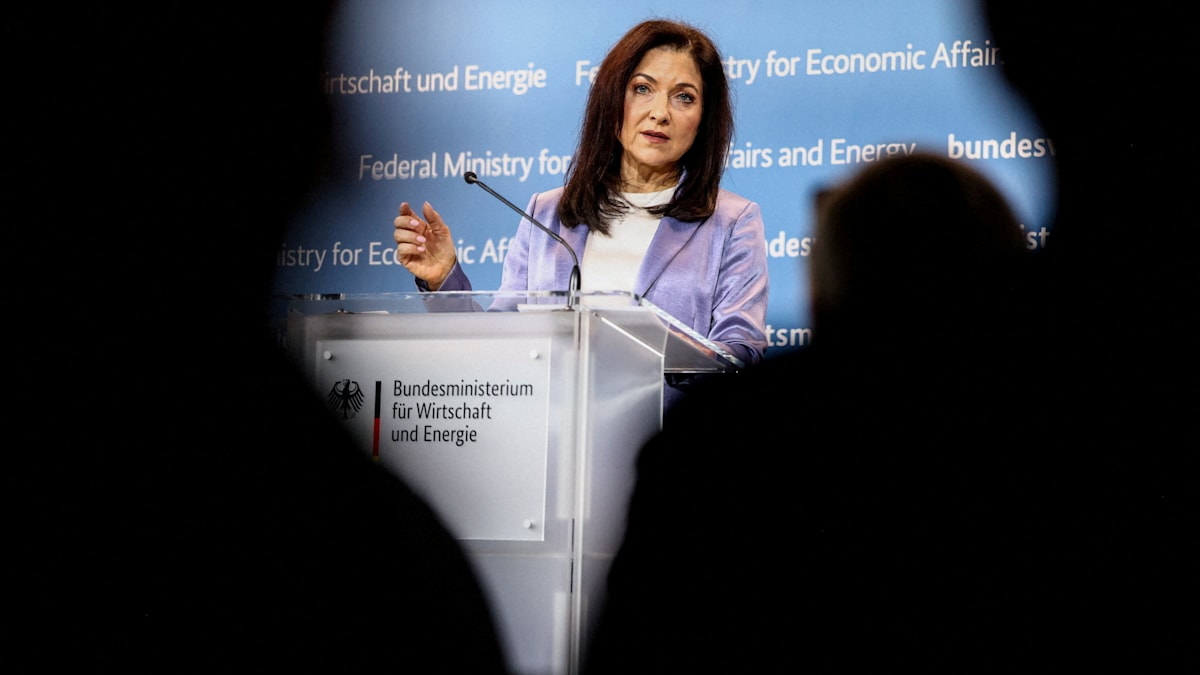
Katherina Reiche's warning against 'alarmism' during a kerosine shortage crisis is disingenuous and self-serving.