
Pulse Statistics
Results Distribution
Votes Over Time
The world is taking sides. Your nation's pulse is missing.
Global pulses are showing up strong. Don't let your nation's identity disappear. Every beat shapes the global consensus.

The UK's desperation for Nigerian jet fuel makes it complicit in union busting.
What happened?
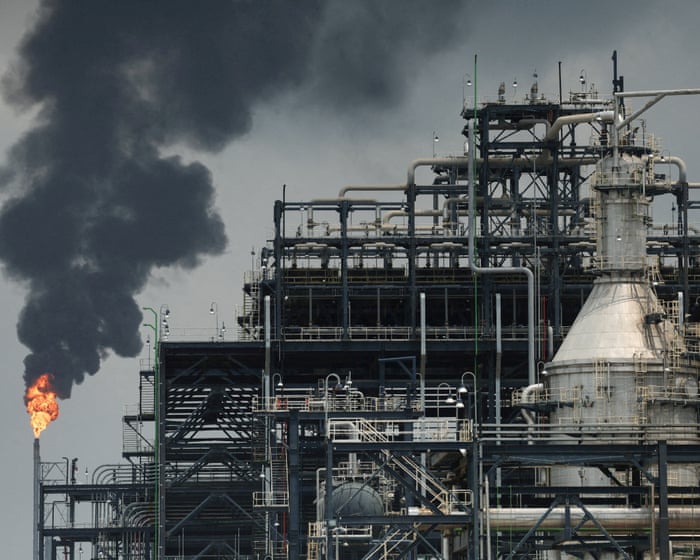
The UK government’s plan to ease the jet fuel shortage by importing more from Nigeria is backfiring spectacularly. The chosen Nigerian refinery has a track record of union busting, raising serious ethical questions for a country that prides itself on workers' rights. This isn't just about securing flights; it's about aligning with dubious practices abroad.
Some argue that the UK’s actions are justified by economic necessity. With global tensions threatening fuel supplies, pragmatic solutions are needed to keep the economy running and citizens traveling. Critics might say this is an overreaction to a complex geopolitical issue.
The risk here is that the UK's credibility on labor rights could be severely damaged if it continues to support such controversial suppliers.
The hidden trade-off is clear: economic pragmatism versus moral integrity. The UK has to choose between its holidaymakers and its principles.
The fallout from this decision could be significant. If the UK continues to overlook ethical concerns in favor of immediate needs, it may find itself isolated internationally as other nations question its commitment to human rights. The summer might save holidays, but the winter will see consequences.
This issue will split public opinion sharply. Supporters will argue for economic pragmatism and short-term relief, while critics will push back against compromising on labor standards. The debate is likely to intensify as more details emerge about the refinery’s practices.
Pulse Insight
AI Insight is generated based on real-time global trends and contextual data analysis.
Hidden Trade-off
While importing jet fuel from Nigeria seems like a straightforward solution, the real cost lies in tarnishing the UK’s reputation for upholding labor rights. By aligning with a refinery accused of union busting, the government risks more than just public opinion; it endangers long-term diplomatic and economic relationships based on shared values.