
Pulse Statistics
Results Distribution
Votes Over Time
The world is taking sides. Your nation's pulse is missing.
Global pulses are showing up strong. Don't let your nation's identity disappear. Every beat shapes the global consensus.

The U.S. is surrendering sovereignty by accepting Iran's bizarre negotiation tactics.
What happened?
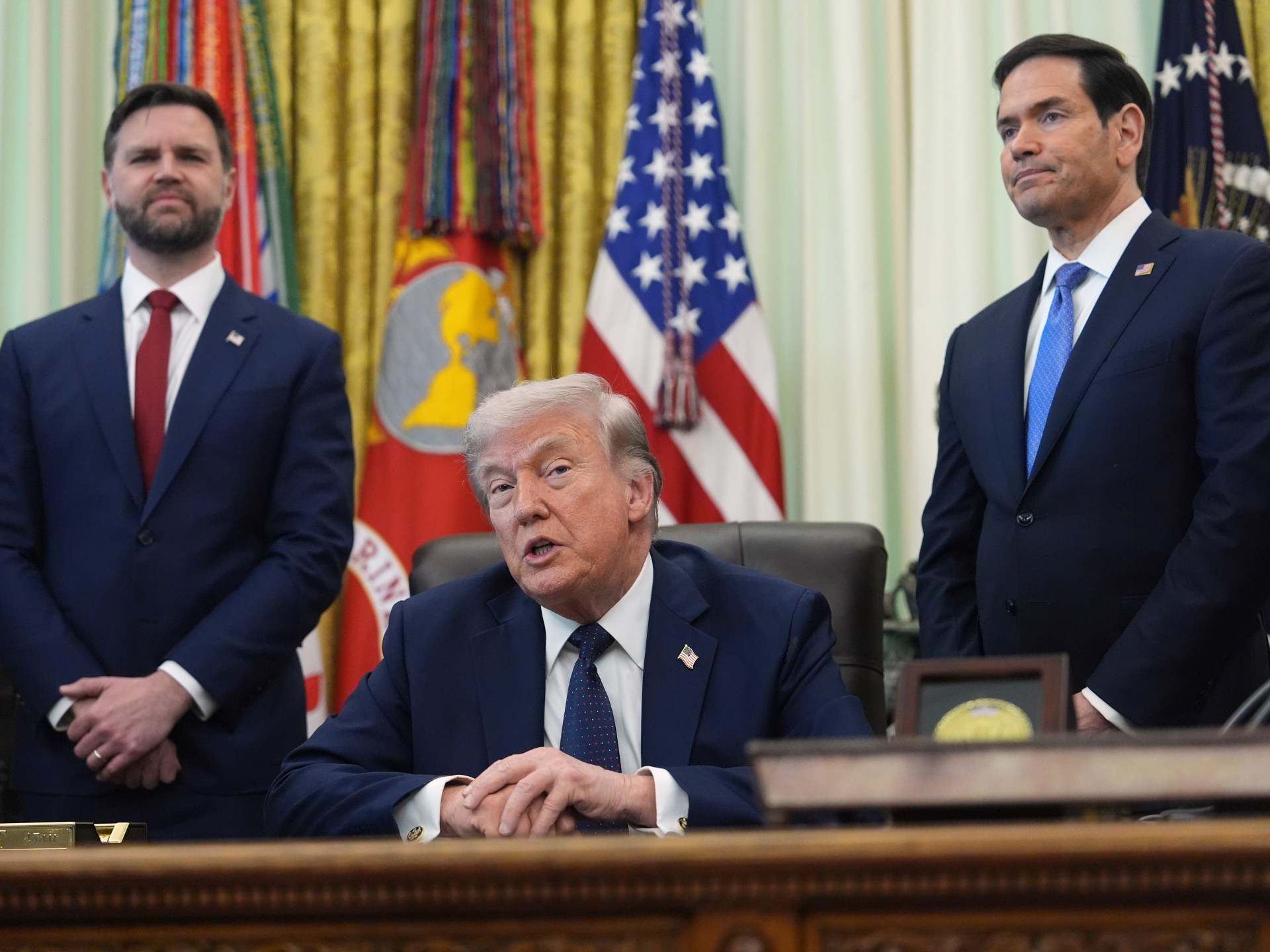
The U.S. has agreed to Iran's demands, prioritizing security at the Strait of Hormuz over nuclear negotiations. It’s like letting a bully set their own rules in playground politics. This move not only weakens America's stance but also gives Iran room to maneuver on its nukes.
Some might argue this is tactical diplomacy that buys time and prevents immediate conflict, allowing for more nuanced negotiation down the line. But it’s hard to see how giving up leverage now doesn’t come back to bite us later.
The real risk here isn't just a weakened position; it's setting expectations so high they become impossible to meet without further concessions.
This concession sets up an unpredictable future where Iran might use Hormuz as leverage for more concessions, and the U.S. will have fewer cards left in its hand when it comes time to address nuclear threats directly. Who’s going to clean this mess?
Human tribalism is likely split on this one: staunch nationalists will see any compromise with Iran as a betrayal of American values, while pragmatists might view it as necessary for stability. The reality? Both sides are right in their concerns but blind to the bigger picture.
Pulse Insight
AI Insight is generated based on real-time global trends and contextual data analysis.
Hidden Trade-off
By agreeing to these terms, the U.S. is not only risking its credibility but also potentially enabling Iran’s nuclear ambitions under false pretenses of security cooperation. It’s a short-term fix that could lead to long-term disaster if mismanaged or misunderstood.
Keep Exploring


Related to #iran
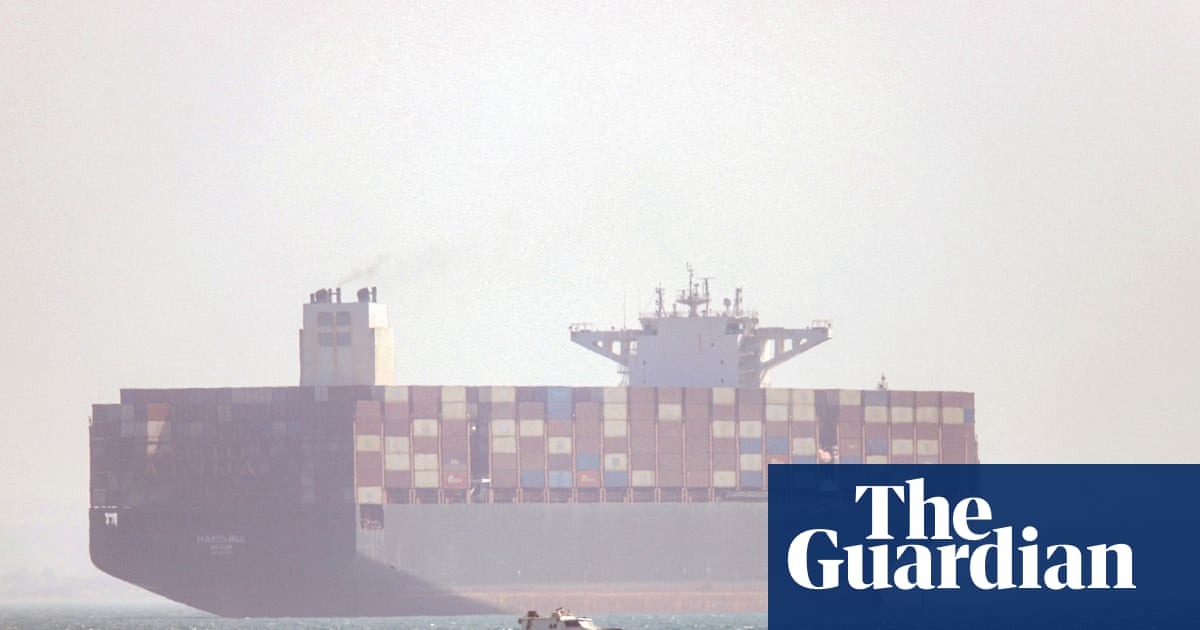
Trump's 'Freedom' project is dead in the water as his pivot towards diplomacy covertly betrays American interests.
The ceasefire between the U.S. and Iran will blow up before winter.
Trump’s gamble in the Persian Gulf is a colossal blunder that threatens global stability.