
Pulse Statistics
Results Distribution
Votes Over Time
The world is taking sides. Your nation's pulse is missing.
Global pulses are showing up strong. Don't let your nation's identity disappear. Every beat shapes the global consensus.

ULA's Atlas V just solidified its status as the go-to workhorse for heavy satellite deployments.
What happened?
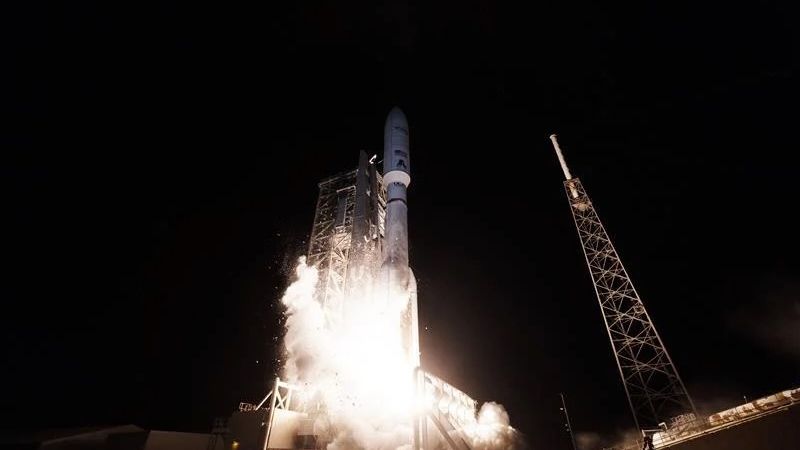
ULA's Atlas V rocket successfully launched a record-breaking payload of 29 Amazon internet satellites into orbit. This mission not only underscores the reliability of the Atlas V but also highlights Amazon’s ambitious plans to expand its global satellite network, underscoring the growing importance of space-based internet services.
Critics argue that ULA's reliance on outdated technology and expensive launch solutions could lead to a loss of market share. SpaceX, with its reusable rockets and lower costs, is rapidly gaining ground, challenging ULA’s dominance in heavy-lift launches.
ULA faces the risk of becoming obsolete if it doesn't innovate faster.
ULA's close ties to government contracts may shield them from immediate competition threats.
The future of heavy-lift launches is likely to see a shift towards more sustainable and cost-effective solutions. As reusable rocket technology advances, companies like SpaceX will continue to challenge the status quo set by traditional launch providers such as ULA.
ULA's Atlas V launch will solidify its position in the market for now, but long-term success depends on embracing innovation. The space industry is evolving rapidly, and those who can't keep up risk being left behind.
Pulse Insight
AI Insight is generated based on real-time global trends and contextual data analysis.
Hidden Trade-off
While ULA's success with this launch is a testament to its capabilities, the long-term cost and sustainability implications are significant. The reliance on expensive, non-reusable rockets means that competitors like SpaceX could undercut ULA’s prices, making it harder for ULA to compete in an increasingly price-sensitive market.