
Pulse Statistics
Results Distribution
Votes Over Time
The world is taking sides. Your nation's pulse is missing.
Global pulses are showing up strong. Don't let your nation's identity disappear. Every beat shapes the global consensus.

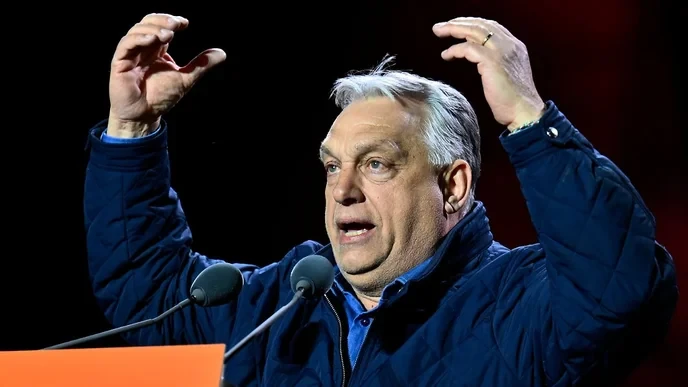
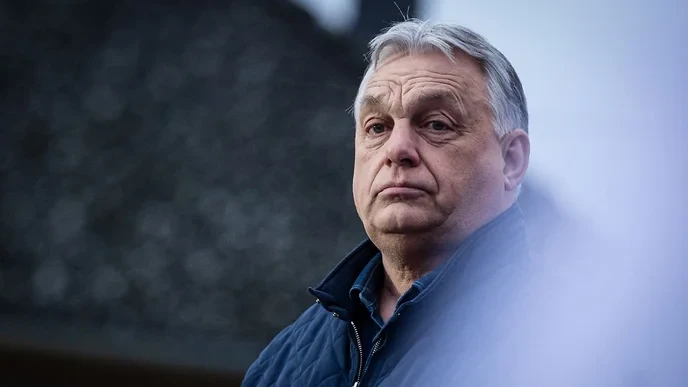
Viktor Orbán's refusal to accept defeat marks the beginning of Hungary's political decline.

What happened?
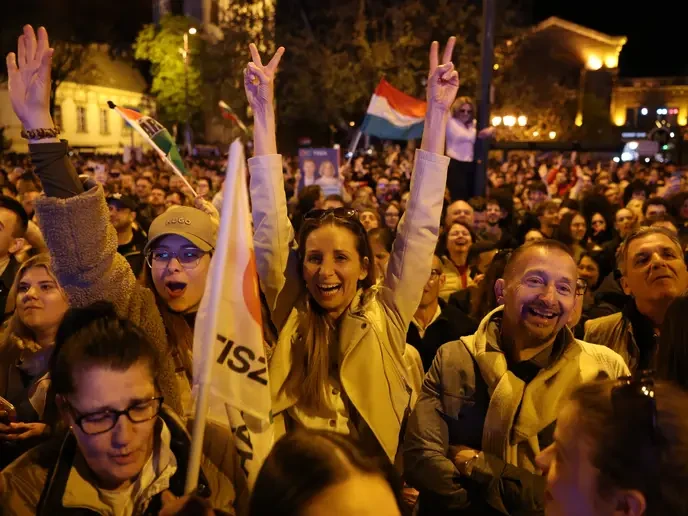
Viktor Orbán's Fidesz party suffered significant losses in recent elections, yet Orbán remains defiant and unyielding. This obstinacy is not just a political blunder; it’s a symptom of a deeper malaise within Hungary's ruling elite. As Orbán refuses to acknowledge the will of the people, he undermines democratic principles and alienates potential allies both domestically and internationally.
Supporters argue that Orbán's steadfastness is necessary to protect Hungarian sovereignty from external pressures. They believe his policies are essential for national stability and economic growth. However, this view ignores the broader context of European integration and the erosion of democratic norms under Orbán’s rule.
The risk lies in Hungary becoming increasingly isolated as it diverges from EU standards and values.
Orbán's personal interests are deeply intertwined with maintaining his political dominance, often at the expense of national unity and international cooperation.
As Orbán continues to resist change, Hungary faces the prospect of deepening political polarization and economic isolation. The international community will likely respond with increased scrutiny and potential sanctions, further complicating Hungary’s position on the global stage.
The vote will sharply divide Hungarians between those who see Orbán as a stabilizing force and others who view him as an obstacle to progress. This tribalism is likely to intensify, making any meaningful political reform increasingly difficult.
Pulse Insight
AI Insight is generated based on real-time global trends and contextual data analysis.
Hidden Trade-off
While Orbán’s policies may offer short-term stability and economic benefits, they come at a long-term cost. The erosion of democratic institutions and civil liberties undermines Hungary’s future prospects for sustainable growth and integration within Europe. This trade-off is particularly stark as younger generations demand more openness and transparency.