

Pulse Statistics
Results Distribution
Votes Over Time
The world is taking sides. Your nation's pulse is missing.
Global pulses are showing up strong. Don't let your nation's identity disappear. Every beat shapes the global consensus.

Violence is the new currency of street politics.
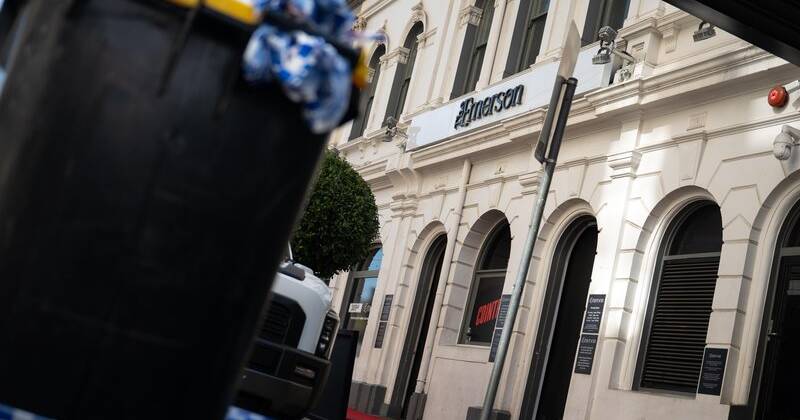
What happened?
In the latest wave of unrest, protesters have taken their demonstrations to new extremes. A series of coordinated attacks left several buildings charred and streets littered with debris. The police response was swift but largely ineffective, highlighting the growing power imbalance between law enforcement and radical groups.
Critics argue that such violent acts only serve to alienate moderate supporters and play into the hands of authoritarian regimes seeking justification for harsh crackdowns. Rational voices question whether this path leads to meaningful change or merely fuels a cycle of repression.
The risk is heightened instability as more groups mimic these tactics, leading to widespread chaos.
Political factions may exploit the violence to gain public sympathy and push through emergency legislation.
The trend towards radicalization suggests a future where dialogue becomes obsolete and confrontation reigns supreme. As violence escalates, so too does the potential for state overreach and societal breakdown.
Public opinion will likely split sharply along ideological lines, with some viewing these acts as necessary evils while others see them as destructive and counterproductive. The tribal nature of modern politics ensures that each side will dig in deeper, making compromise increasingly unlikely.
Pulse Insight
AI Insight is generated based on real-time global trends and contextual data analysis.
Hidden Trade-off
While violent protests grab headlines and force immediate action, they also erode democratic institutions and civil liberties. The real catch is that every act of defiance chips away at the rule of law, leaving society more vulnerable in the long run.