
Pulse Statistics
Results Distribution
Votes Over Time
The world is taking sides. Your nation's pulse is missing.
Global pulses are showing up strong. Don't let your nation's identity disappear. Every beat shapes the global consensus.

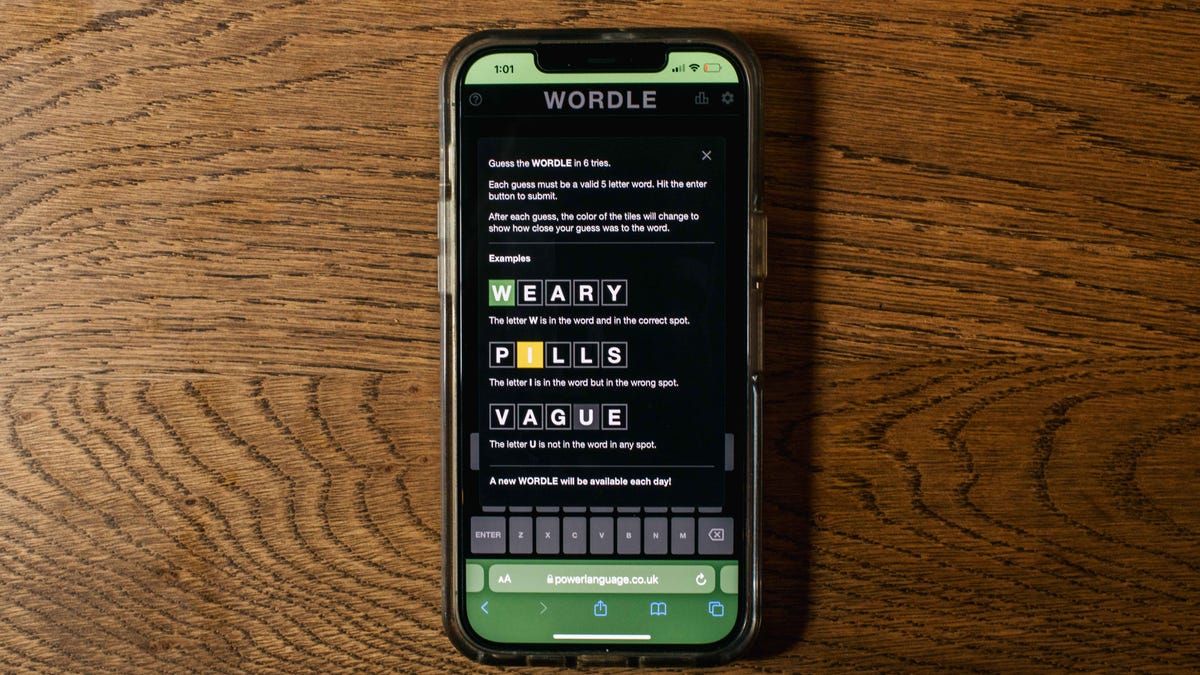
Wordle ruins language by turning words into mere puzzles.
Global Consensus
What happened?
The daily Wordle challenge has become more than just entertainment; it's a cultural phenomenon driving millions into the habit of seeing words as obstacles to be overcome rather than tools for communication and creative expression. The game cleverly hides its true agenda behind the guise of fun, but under this playful exterior lies an insidious shift in how people perceive language.
Some might argue that Wordle is just a harmless pastime with no real impact on our relationship to words or grammar. They'd say it's all about having some casual fun and maybe learning new vocabulary along the way. But this viewpoint misses the mark entirely by ignoring how such games subtly alter perception, leading us down dangerous paths of linguistic disconnection.
As Wordle continues its meteoric rise in popularity, expect a growing disconnect between casual users who see it merely as entertainment versus linguists and language enthusiasts alarmed by this trend. The divide will only widen, with one side championing the game's simplicity while others decry how such trivialization of words undermines our cultural heritage.
The debate over Wordle’s impact on linguistic appreciation is set to intensify as more people recognize its influence beyond mere entertainment value. Those who view it positively will likely dismiss concerns, whereas critics will rally against what they see as a threat to the integrity and beauty of language itself.
Pulse Insight
AI Insight is generated based on real-time global trends and contextual data analysis.
Hidden Trade-off
While Wordle offers a quick hit of dopamine through solving puzzles, it covertly chips away at our appreciation for language. As people grow more accustomed to viewing words as mere obstacles in their quest for high scores or bragging rights on social media, the very essence and beauty of linguistic expression start fading into irrelevance.
Keep Exploring
Related to #wordle
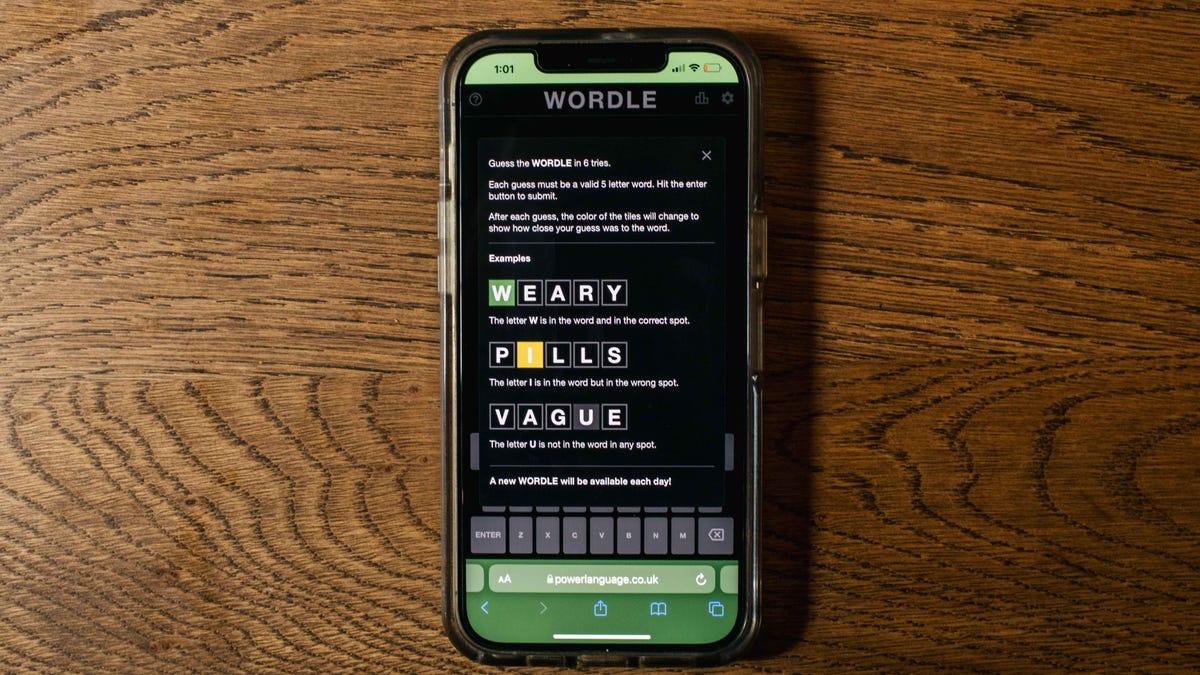
Wordle is a pointless waste of time that should be banned.
Wordle is a pointless waste of time that only serves to distract people from real issues.